
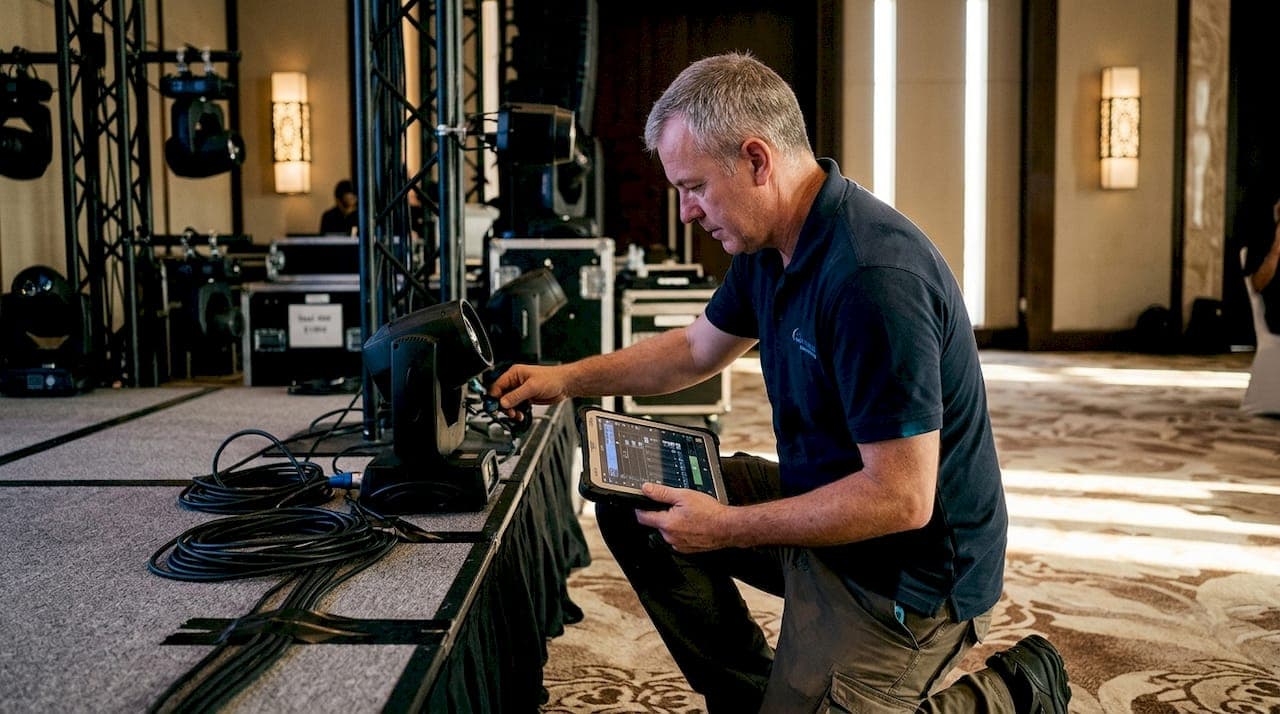
Event organizers often assume lighting is simply about making a space bright enough to see. That's a costly misconception. Professional lighting designers transform events by crafting atmospheres that shape guest emotions, enhance visibility for photography, and reinforce brand identity. For weddings and corporate gatherings across the UAE, where venues range from intimate ballrooms to sprawling outdoor spaces, expert lighting design becomes essential. This guide explains what lighting designers do, how they work, the methodologies they employ, and how to select the right professional for your UAE event, ensuring your investment delivers maximum visual impact.
Table of Contents
- Key Takeaways
- Understanding the role of a lighting designer
- Key lighting design methodologies and technologies for events
- Special considerations for lighting design in the UAE market
- Comparing lighting design for weddings versus corporate events
- Explore professional lighting design solutions with Echo Light
- Frequently asked questions about lighting designers
Key Takeaways
| Point | Details |
|---|---|
| Early collaboration | Engaging a lighting designer six to eight months before an event allows site visits testing and design adjustments for a cohesive plan. |
| Layered lighting strategy | A layered approach using key fill back accent and effects yields balanced and dynamic illumination for weddings and corporate events. |
| UAE specific needs | In UAE venues heat resistant fixtures and careful power management are essential to handle climate and electrical demands. |
| Custom designs outperform | Custom lighting designs outperform generic packages for weddings and corporate events by aligning with venue architecture and brand identity. |
Understanding the role of a lighting designer
A lighting designer is a professional who plans, designs, and executes lighting solutions for events, using software like Dialux, Revit, and simulations to create atmosphere and align with event themes for weddings and corporate events. Their responsibilities extend far beyond selecting fixtures. They analyze venue architecture, assess power availability, design rigging plans, program lighting cues, and coordinate with other vendors to ensure cohesive visual storytelling.
These professionals use advanced visualization tools to preview how lighting will appear before installation. This previsualization capability allows clients to approve designs, adjust color palettes, and refine focal points weeks before the event. The result is predictable, controlled outcomes rather than surprises on event day.
Their work directly influences multiple aspects of guest experience. Lighting shapes mood, whether creating romantic intimacy for weddings or energetic professionalism for corporate launches. It affects how cameras capture moments, ensuring photographers and videographers get clean, well-lit footage. For corporate clients, lighting reinforces brand presence through strategic color application and logo projection. Visibility matters too, proper illumination ensures guests navigate spaces safely while speakers and performers remain clearly visible.
Without professional lighting artists, equipment is often ineffective; early involvement (6-8 months ahead) is key for event success. This timeline allows designers to conduct site visits, test equipment configurations, and adjust plans based on venue feedback. Late engagement restricts creative possibilities and increases the risk of technical complications.
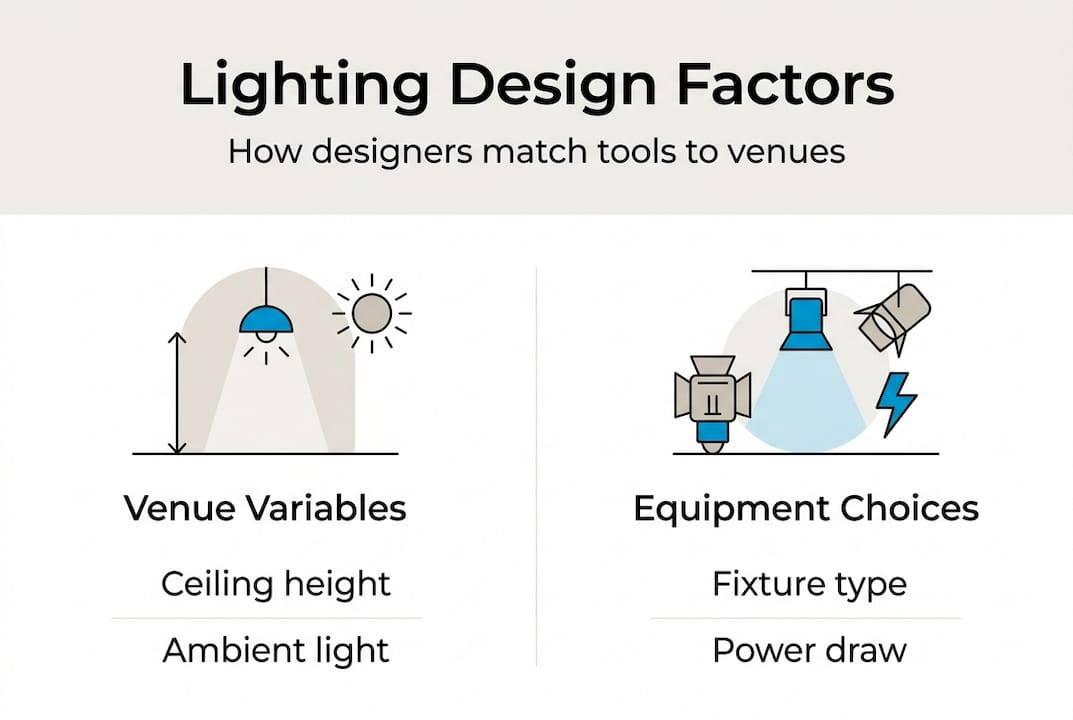
Lighting designers also select appropriate equipment based on venue specifics. A designer evaluates ceiling heights, ambient light sources, electrical capacity, and architectural features to determine fixture types, quantities, and placement. They coordinate rigging installation, ensuring fixtures are securely mounted and positioned for optimal coverage.
Pro Tip: Share reference images and videos showing your desired atmosphere when briefing a lighting designer. Visual examples communicate your vision more effectively than verbal descriptions alone, ensuring alignment from the start.
Key lighting design methodologies and technologies for events
Professional lighting designers rely on a layered approach to create balanced, dynamic illumination. Key methodologies include layered lighting with 5 layers: key, fill, back, accent, and effects; using uplighting, spotlights, washes, and beams; programming with DMX consoles. Each layer serves a distinct purpose, and understanding these components helps organizers communicate needs effectively.
| Lighting layer | Purpose | Typical angle/placement |
|---|---|---|
| Key light | Primary illumination for subjects, creates main visibility | 30-45° front angle |
| Fill light | Softens shadows created by key light, balances contrast | Opposite side of key |
| Back light | Separates subjects from background, adds depth | Behind and above subjects |
| Accent light | Highlights specific features, decor, or architectural elements | Variable, focused beams |
| Effects light | Creates atmosphere through color washes, gobos, movement | Strategic placement for impact |
Common fixtures serve different functions within these layers. Uplights wash walls and columns with color, transforming venue aesthetics instantly. Spotlights provide focused beams for highlighting speakers, cake tables, or stage performers. Wash lights deliver broad, even coverage for general illumination across large areas. Beam lights create dramatic effects through narrow, intense shafts of light, ideal for entrances or dance floor energy.
Programming these fixtures requires DMX consoles that control intensity, color, movement, and timing. Designers create lighting cues that transition smoothly between event segments. A wedding might shift from soft amber tones during dinner to vibrant colors for dancing. Corporate events might feature dynamic changes synchronized with presentations or product reveals.
Lux level benchmarks guide designers in achieving appropriate brightness. Stage areas typically require 800-1200 lux for clear visibility of performers and speakers. Audience zones need 200-300 lux, bright enough for safe movement and social interaction without competing with stage focus. Dining areas benefit from 150-250 lux, creating comfortable ambiance while allowing guests to see food and companions clearly.
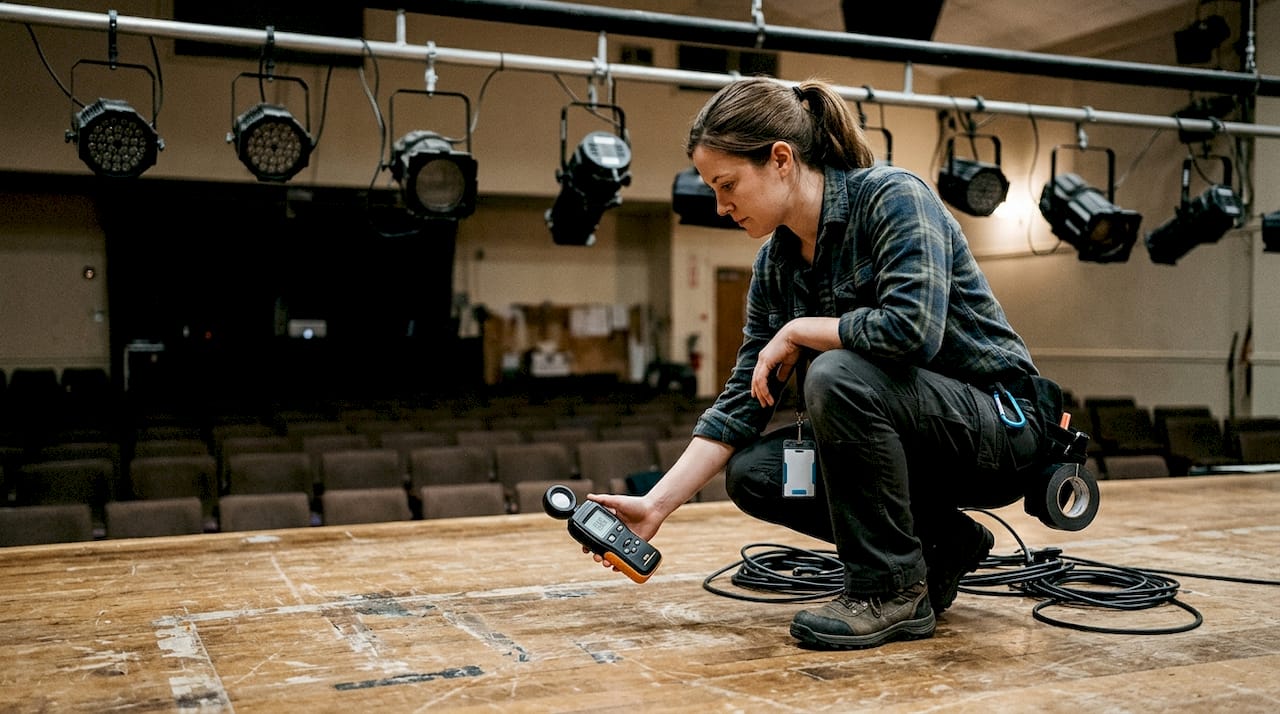
These measurements ensure lighting serves functional needs while supporting aesthetic goals. Designers measure existing ambient light and calculate fixture output to reach target levels without over-illuminating spaces.
Pro Tip: Request a lighting plot diagram showing fixture placement, types, and coverage zones. This document helps you visualize the setup and ensures the designer has accounted for all critical areas, from entrance pathways to stage zones.
Special considerations for lighting design in the UAE market
The UAE presents unique challenges that demand specialized expertise from lighting designers. Experience in the UAE is essential; designers must handle heat and outdoor IP65-rated fixtures, high ceilings, custom rigging, and critical power management for large weddings and corporate events. These factors significantly impact equipment selection, installation methods, and overall design feasibility.
High temperatures, especially for outdoor events, require fixtures with robust heat dissipation capabilities. LED technology has become standard due to superior energy efficiency and lower heat output compared to traditional halogen systems. Outdoor installations demand IP65-rated fixtures that resist dust and water ingress, protecting electronics from environmental exposure. Designers familiar with UAE conditions specify appropriate equipment from the outset, avoiding failures caused by inadequate weatherproofing.
Venue characteristics also shape design requirements. Many UAE event spaces feature high ceilings, sometimes exceeding 8-10 meters, necessitating custom rigging solutions and more powerful fixtures to achieve adequate coverage. Ballrooms and outdoor pavilions often lack sufficient built-in power infrastructure for complex lighting setups. Designers must calculate total power consumption and coordinate with venues to arrange supplementary generators or distribution panels.
Power limits commonly require using up to 80% circuit capacity; outdoor weatherproofing and rigging adaptation are key. Exceeding circuit limits trips breakers, causing embarrassing outages mid-event. Experienced designers build load calculations into their plans, ensuring equipment operates safely within available power while delivering desired impact.
Local expertise proves invaluable when navigating venue-specific constraints. A designer who has worked at your chosen venue understands existing infrastructure, knows which rigging points are accessible, and can anticipate logistical challenges. This familiarity accelerates planning and reduces the risk of last-minute complications.
| Venue type | Typical fixture count | Estimated power draw | Key challenges |
|---|---|---|---|
| Indoor ballroom (500 guests) | 80-120 fixtures | 25-35 kW | Ceiling height, ambient light control |
| Outdoor wedding (300 guests) | 60-100 fixtures | 20-30 kW | Weatherproofing, power access, heat |
| Corporate conference (1000 attendees) | 150-200 fixtures | 40-60 kW | Multi-zone control, brand integration |
These estimates help organizers gauge the scale of lighting installations and understand why professional designers add significant value. The numbers vary based on venue size, design complexity, and client expectations, but they illustrate the technical demands involved.
Comparing lighting design for weddings versus corporate events
Wedding and corporate events require fundamentally different lighting approaches, reflecting distinct goals and audience expectations. Weddings prioritize soft, romantic lighting creating warm atmospheres, while corporate events focus on professional, dynamic lighting to highlight branding and presentations. Understanding these differences helps organizers communicate priorities and select designers with relevant experience.
Wedding lighting favors warm color temperatures, typically 2700-3200K, evoking intimacy and elegance. Designers use gentle uplighting in amber, gold, or blush tones to wash venue walls and columns. Subtle effects like gobo projections of monograms or patterns add personalization without overwhelming the space. The goal is enhancing natural beauty, creating flattering light for photography, and supporting the emotional tone of the celebration.
Corporate event lighting takes a different direction. Precision and brightness matter more than softness. Designers employ cooler color temperatures, often 4000-5500K, conveying professionalism and energy. Brand colors become focal points, applied through strategic washes and accent lighting. Dynamic effects, including moving lights and synchronized color changes, maintain audience engagement during presentations and product launches. The lighting must ensure speakers are clearly visible, presentation screens are well-lit without glare, and brand messaging is reinforced visually.
| Aspect | Wedding lighting | Corporate lighting |
|---|---|---|
| Color palette | Warm tones (amber, gold, blush, soft white) | Brand colors, cool whites, dynamic palettes |
| Primary goal | Romantic atmosphere, flattering photography | Professional appearance, brand reinforcement |
| Effect intensity | Subtle, gentle transitions | Bold, energetic, synchronized with content |
| Key focal points | Ceremony area, cake table, dance floor | Stage, presentation screens, branding elements |
| Flexibility needs | Moderate, transitions between segments | High, rapid changes for different sessions |
Generic lighting packages rarely meet the specific needs of either event type. Customized designs excel because they account for venue characteristics, client preferences, and event flow. A wedding designer considers the ceremony's natural light, plans romantic transitions for reception entrances, and ensures dance floor lighting energizes guests. A corporate designer synchronizes lighting with presentation content, highlights sponsor logos, and creates impactful moments for product reveals.
Organizers should define their event atmosphere and identify key moments requiring special lighting attention. For weddings, this might include the first dance, cake cutting, or grand entrance. For corporate events, it could be keynote speeches, award presentations, or networking sessions. Clear communication of these priorities allows designers to allocate resources effectively.
Pro Tip: Schedule a lighting test before the event to see how your chosen design appears on camera. Photographers and videographers can provide feedback, allowing adjustments to color balance and intensity for optimal visual documentation.
Explore professional lighting design solutions with Echo Light
Transforming your event vision into reality requires expertise, advanced technology, and deep understanding of UAE venue conditions. Echo Light specializes in cutting-edge lighting design tailored specifically for weddings and corporate events across the UAE. Their team brings years of experience managing complex rigging, power distribution, and environmental challenges unique to the region, ensuring flawless execution regardless of venue scale or complexity.
Early collaboration with Echo Light's designers unlocks creative possibilities and prevents technical complications. Their layered approach to lighting design creates atmospheres that resonate emotionally with guests while meeting functional requirements for visibility and photography. Whether you're planning an intimate wedding or a large-scale corporate launch, their expertise ensures your event achieves maximum visual impact within budget and timeline constraints.
Visit Echo Light to explore how professional lighting design transforms ordinary spaces into extraordinary experiences, making your next event truly unforgettable.
Frequently asked questions about lighting designers
What is the typical timeline to hire a lighting designer?
Begin discussions 6-8 months before your event for optimal results. This timeline allows designers to conduct site visits, develop customized plans, and coordinate with other vendors. Last-minute bookings, within 2-3 months, limit creative options and may result in generic solutions rather than tailored designs.
How does layered lighting improve the event experience?
Layered lighting creates depth and visual interest by combining key, fill, back, accent, and effects lighting. Each layer serves a specific purpose, from illuminating subjects clearly to adding atmospheric color and drama. This approach prevents flat, one-dimensional lighting that makes spaces feel uninspired and ensures guests experience dynamic, engaging environments.
What should I look for in a UAE-based lighting designer?
Prioritize designers with proven UAE experience who understand local venue infrastructure, climate challenges, and power limitations. Review their portfolio for events similar to yours in scale and style. Verify they use professional-grade equipment, provide detailed lighting plots, and offer previsualization tools to confirm designs before installation.
Can lighting design affect event photography and videography?
Absolutely. Proper lighting ensures cameras capture clear, well-exposed images without harsh shadows or blown-out highlights. Designers coordinate with photographers to test lighting setups, adjusting color temperatures and intensities for optimal results. Poor lighting forces photographers to use high ISO settings, resulting in grainy, low-quality images that diminish your event documentation.
How do lighting designers handle power and rigging challenges at large venues?
Designers calculate total power consumption and work with venues to arrange adequate electrical capacity, often coordinating supplementary generators for large installations. They create detailed rigging plans that account for ceiling load limits, structural attachment points, and safe installation practices. Experienced designers anticipate these challenges during initial site assessments, building solutions into their proposals from the start.